betalin@yisweater.com

Materials Used in Navy Blue sweater production
The production of navy blue sweaters begins with selecting the right materials. Commonly used fibers include wool, cotton, and synthetic blends. Wool is favored for its warmth and durability, making it ideal for colder climates. Cotton offers breathability and softness, providing comfort for everyday wear. Synthetic fibers, such as polyester, are often blended with natural fibers to enhance strength and reduce production costs.

Each material contributes unique properties to the final product. For instance, cashmere is another luxurious option that adds an element of elegance while maintaining the rich navy blue color. The choice of fiber not only affects the sweater’s texture and warmth but also influences its overall aesthetic appeal, making material selection a critical step in the process.
The Production Process
The production of navy blue sweaters involves several key steps, beginning with yarn preparation. Once the desired fibers are selected, they are spun into yarns, which can be dyed to achieve the perfect shade of navy blue. The dyeing process is crucial as it ensures color consistency and vibrancy throughout the fabric.
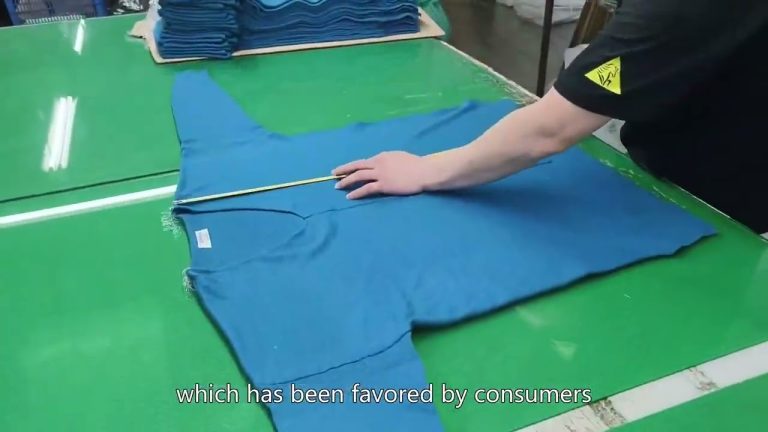
After dyeing, the yarn is knitted into fabric using specialized machinery. Different knitting techniques can create various textures and patterns, allowing for a wide range of designs. Once the fabric is produced, it undergoes quality checks before being cut and sewn into the final sweater shape. This meticulous attention to detail ensures that each navy blue sweater meets high standards of quality and craftsmanship.
Quality Control and Finishing Touches
| knitwear set manufacturer | nurse sweater producer |
| women maglione Maker | sweater chompas manufacturer |
Quality control is an essential stage in the production of navy blue sweaters. Every piece is inspected for defects, including issues with stitching, color variations, and overall fit. This step helps maintain the brand’s reputation for producing high-quality garments. Any flaws identified during this process are addressed before the sweaters are packaged for sale.
After passing quality checks, the sweaters often receive finishing touches, which may include additional treatments to enhance softness or wrinkle resistance. Labels are then attached, detailing care instructions and brand information. Finally, the sweaters are folded and packaged, ready to be shipped to retailers or directly to consumers, ensuring that customers receive a product that is both stylish and durable.