betalin@yisweater.com


The Rise of Small Batch Production
Small batch production is becoming a prominent trend in the fashion industry, particularly in the realm of modern sweater manufacturing. This approach allows brands to focus on quality over quantity, enabling them to create unique pieces that cater to individual tastes and preferences. As consumers increasingly seek sustainable and personalized options, small batch production offers an appealing alternative to mass-produced garments.

By producing smaller quantities of sweaters, companies can maintain tighter control over their materials and craftsmanship. This often translates to better-quality fabrics and more attentive finishing details, resulting in garments that not only look good but also stand the test of time. Moreover, this method aligns with environmentally conscious practices, as it reduces waste and encourages the use of sustainable fibers.
The rise of e-commerce has further fueled the demand for small batch production. Online platforms allow brands to reach niche markets without the need for large inventories. This flexibility enables designers to experiment with new styles and colors, responding quickly to emerging trends and customer feedback. As a result, modern sweaters produced in small batches are often more innovative and aligned with contemporary aesthetics.
Craftsmanship and Quality
One of the hallmarks of small batch modern sweater production is the emphasis on craftsmanship. Each piece is typically made by skilled artisans who take great pride in their work. This dedication to the craft ensures that every sweater is not just a garment, but a piece of art that embodies the brand’s vision and values.
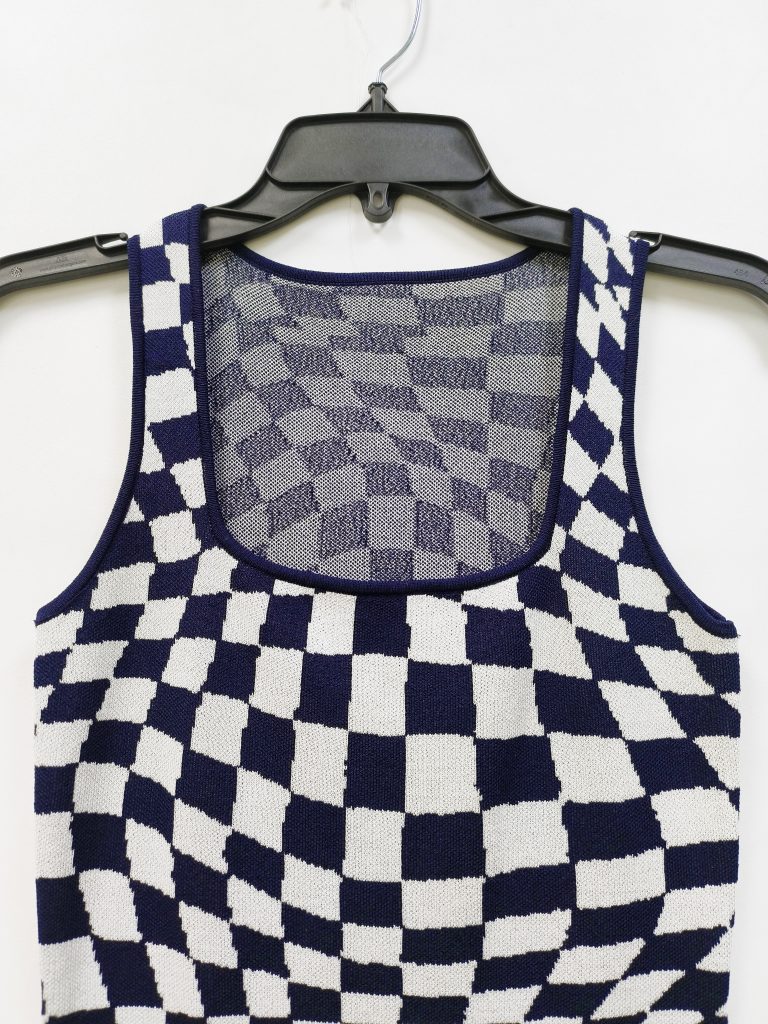
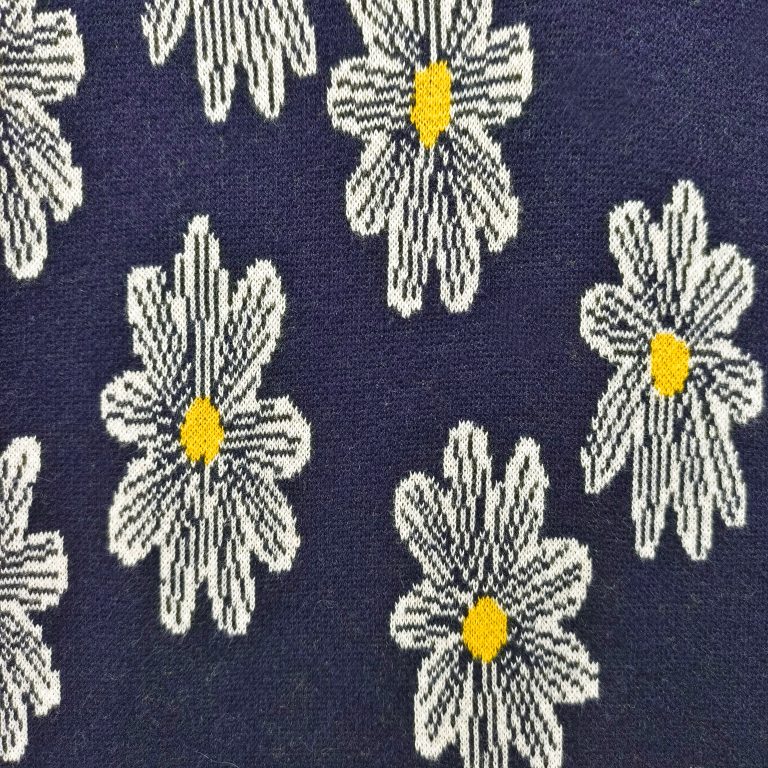
In contrast to mass production, where machines churn out garments at an alarming rate, small batch methods allow for meticulous attention to detail. Artisans can focus on perfecting each stitch and ensuring that the fit and finish meet high standards. This level of care results in products that often feature unique design elements, such as hand-knit patterns or custom dye techniques, making them truly one-of-a-kind.
Additionally, the quality of materials used in small batch sweater production is often superior. Many brands prioritize sourcing natural fibers like wool, cashmere, and cotton, which not only provide comfort but also enhance durability. Consumers are increasingly aware of the importance of investing in high-quality garments that can endure years of wear, and small batch production caters to this desire.
Sustainability in Sweater Production
Sustainability is a critical consideration in the modern fashion landscape, and small batch production plays a significant role in promoting eco-friendly practices. By limiting the number of garments produced, brands can minimize waste and reduce their overall environmental footprint. This model encourages a shift away from fast fashion, which is notorious for its negative impact on the planet.
Moreover, many small batch brands prioritize using sustainable materials, such as organic cotton and recycled fibers. These choices not only lessen the ecological impact of sweater production but also resonate with environmentally conscious consumers. As awareness about climate change increases, shoppers are more inclined to support brands that demonstrate a commitment to sustainability.
Incorporating ethical labor practices is another aspect of sustainability in small batch production. Many brands that adopt this model work closely with local artisans and factories, ensuring fair wages and safe working conditions. This transparency fosters a sense of trust between consumers and brands, encouraging a more responsible approach to fashion consumption.